Aside from academic work, I have extensive experience using litigation as a tool for social change, particularly in court cases concerning the the rights of Indigenous peoples. My work involves supporting Indigenous communities who have decided to go to court to seek justice, by offering legal expertise on land rights and related human rights issues. I have contributed to key cases through expert opinions, third party intervention and amicus-type analysis, and support to legal teams working at national, regional and international levels.
Litigation Experience
- Expert Opinion, Caso pueblo indígena U’wa y sus miembros v. Colombia – Inter-American Court of Human Rights – Ref.: CDH-17-2020/028 – April 2023
- Legal Adviser: Tsumib and Others v Goverment of the Republic of Namibia and Others (SA 53 of 2019) [2022] NASC 6 (16 March 2022)
- Expert Witness, Case of the Kaliña and Lokono Peoples against the Republic of Suriname, Inter-American Court of Human Rights, 4 February 2015
- Expert Affidavit on behalf of United Organisation for Batwa Development in Uganda (UOBDO) and 11 others v. The Attorney General and 2 Others – Constitutional Court of Uganda (Constitutional Petition 3 of 2011) [2021] UGCC 22 (19 August 2021)
- Legal Adviser: Roy Sesana, Keiwa Setlhobogw & Others v. The Attorney General, High Court of Botswana, (Mis. No 52 of 2002), 13 December 2006 – Lawyer: Gordon Bennett (UK)
- Legal brief: Sejdić and Finci v. Bosnia and Herzegovina (applications nos. 27996/06 and 34836/06), European Court of Human Rights (2009)
- Legal brief: CEMIRIDE, Minority rights group international & Ogiek Peoples Development Programme (on behalf of the Ogiek Community) v Republic of Kenya: African Commission on Human and Peoples’ Rights-submission on admissibility (2011);
- Legal brief: Ogiek Peoples Development Programme (on behalf of the Ogiek Community) v Republic of Kenya: African Court of Human and Peoples’ Rights (2013).
Here are some details of the court cases in which I have been supporting Indigenous communities.
The rights of the Batwa – Uganda
Case: Constitutional Court of Uganda:United Organisation for Batwa Development in Uganda (UOBDU) and 11 Others v Attorney General and 2 Others (Constitutional Petition 3 of 2011) [2021] UGCC 22
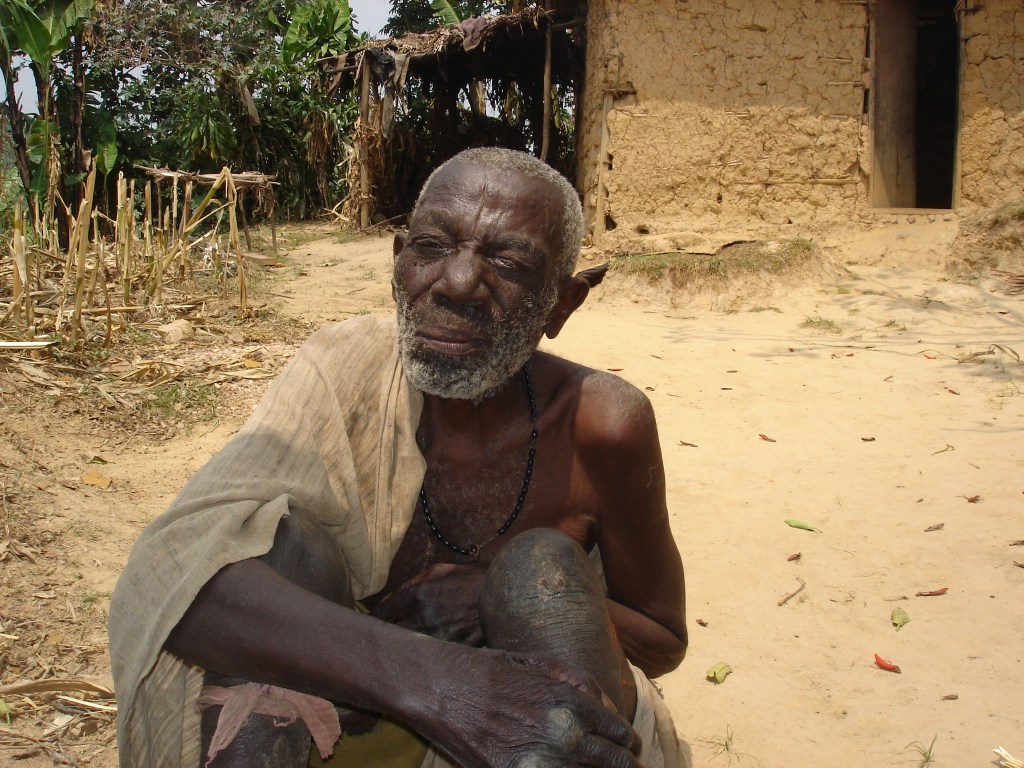
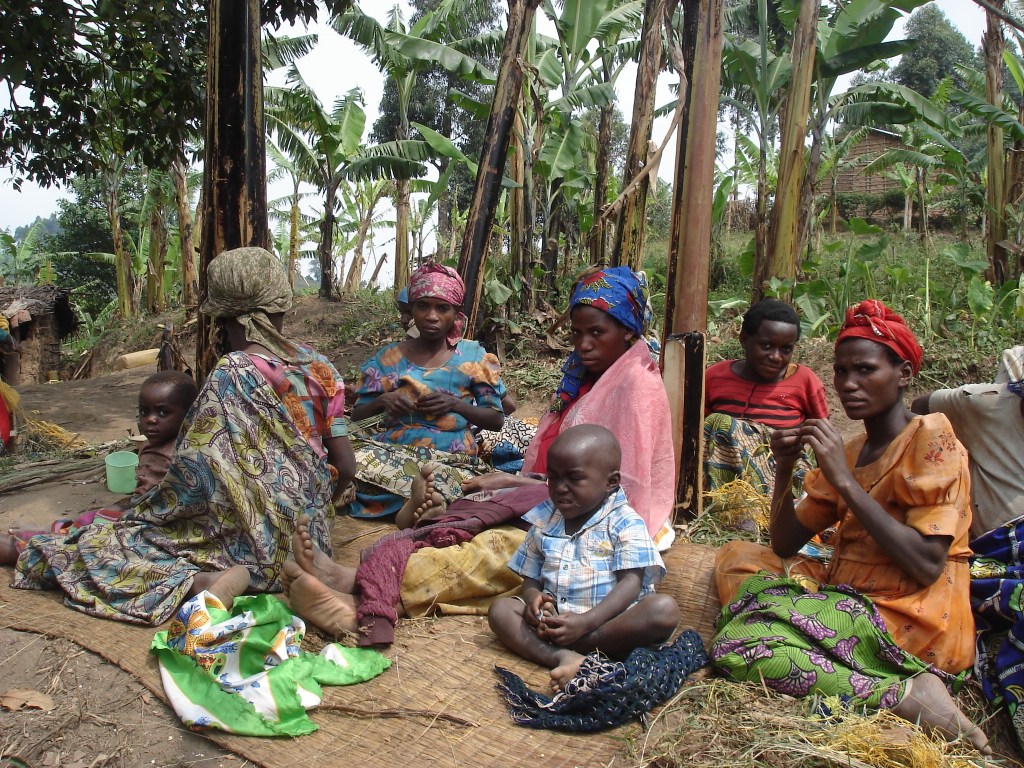
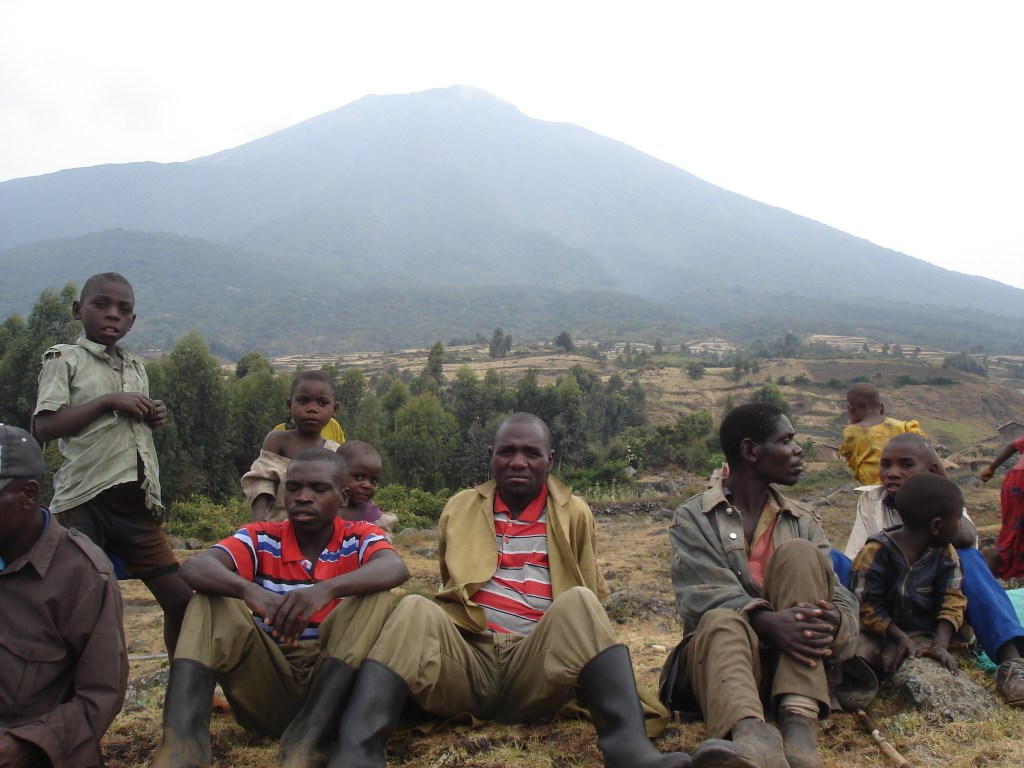
Context of the court case: The Batwa of Western Uganda have faced expulsion form their ancestral forests when a national park was built on their land in 1992. This has led them into poverty and marginalisation as they became squatters in the peripheries of the small towns nearby.
Their court case was finally ] heard by the Constitutional Court of Uganda in November 2020. This case is a landmark Ugandan Constitutional Court decision on indigenous land dispossession, affirmative action, and the rights of the Batwa people. It centres on the historical eviction of Batwa communities from ancestral forest lands for conservation purposes, and the constitutional duty to remedy this dispossession.
The petition was brought by the United Organisation for Batwa Development in Uganda (UOBDU) and other Batwa individuals against the Attorney General, the Uganda Wildlife Authority, and the National Forestry Authority. The Batwa claimed that, from roughly the 1930s to the 1990s, they were evicted without consultation or compensation from traditional forest territories (including areas now designated national parks and forest reserves), which destroyed their livelihoods, culture and identity.
For more background, see: https://www.bbc.co.uk/news/world-africa-60825768, https://www.forestpeoples.org/fr/publications-resources/news/article/the-batwa-petition-before-ugandas-constitutional-court/
Constitutional and legal issues
The petitioners alleged violations of multiple constitutional rights, including to equality, life, property, culture, and minority participation in public affairs, and invoked provisions of the African Charter on Human and Peoples’ Rights. A key legal issue was whether Article 32(1) of the 1995 Constitution—requiring the State to take affirmative action for marginalised groups—creates a justiciable right entitling such groups to seek judicially enforceable remedies.
Court’s reasoning
The Court accepted extensive historical, testimonial, and expert evidence showing that the Batwa had long-standing ties to the forests and that State conservation measures had rendered them landless and severely undermined their dignity, identity, and livelihoods. It held that the Batwa clearly constitute a marginalised group “created by history, tradition or custom” within the meaning of Article 32(1), thereby triggering a positive constitutional obligation on the State to take effective affirmative action in their favour.
Orders and remedies
The Court unanimously found in favour of the Batwa, declaring that the State has a constitutional duty to adopt affirmative action measures to address the historical injustices suffered by the Batwa. Using its power under Article 137(4)(b), it referred the matter to the High Court to take evidence and determine concrete remedial measures—such as forms of compensation, land or access arrangements—ensuring that any measures are practically effective, benefit all Batwa, and do not expose them to further exploitation.
The judgment can be read here: https://pdflink.to/f03883e5/
My role
I was working in support of the Forest Peoples’ Programme involvement in supporting the rights of the Batwa. Specifically, my role was to (1) support the development of an evidence-gathering protocol, to be used by paralegal from the community to gather evidence on land rights, (2) provide an affidavit highlighting the international human rights angles of the case. See the affidavit https://pdflink.to/eaf0ae50/.
Strategic Litigation, Kenya, Malysia and Paraguay
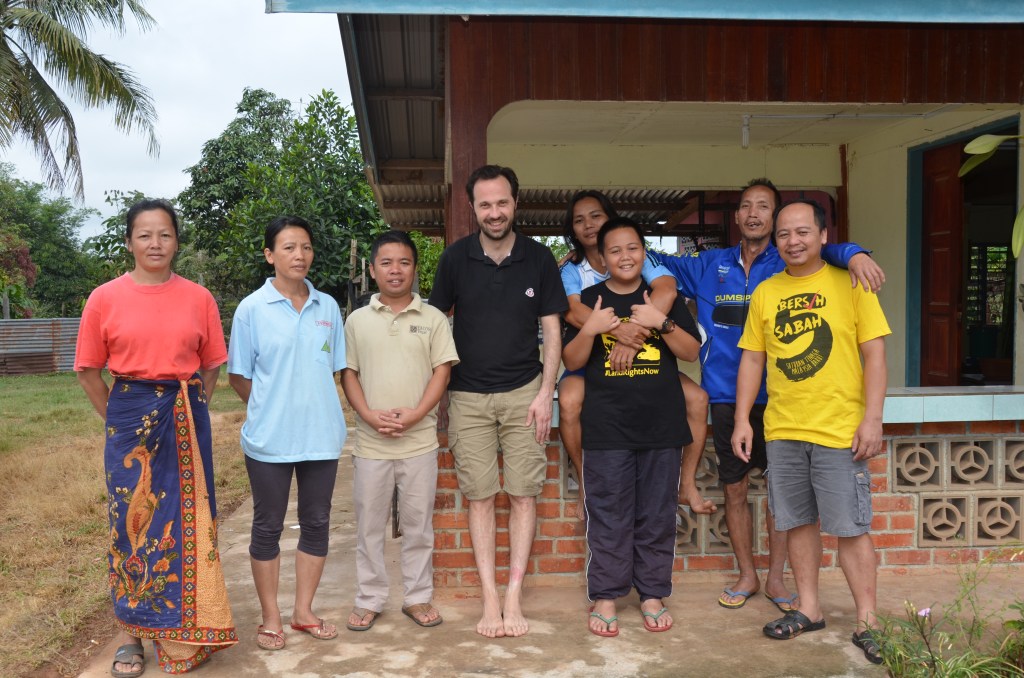
As part of global analysis led and commissioned by the Open Society Justice Initiative exploring the impact of strategic litigation, I led authored an empirical, multi-country study (Kenya, Malaysia, Paraguay) on how litigation affects land struggles, community empowerment, and jurisprudence.
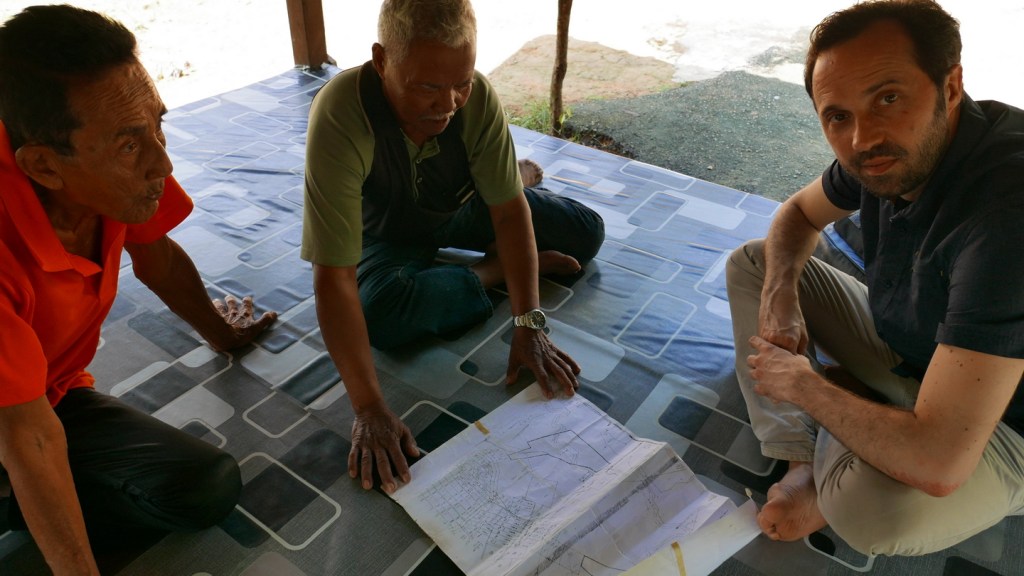
This work took place across 3 key countries where Indigenous peoples have used litigation to get their fundamental rights ot their homelands recognised. The research involved the participation of key Indigenous leaders, advocates and experts to reflect on the potential challenges and limitations of using litigation to secure Indigenous land rights.
Some of the analysis can be found in the following reports:
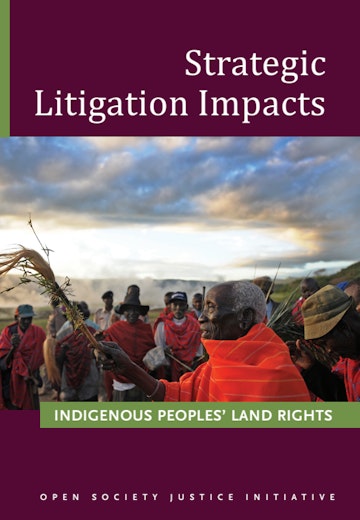
“Strategic Litigation Impacts: Indigenous Peoples’ Land Rights” (Open Society Justice Initiative, c. 2017).
“Indigenous Peoples and Litigation: Strategies for Legal Mobilisation” (Journal of Human Rights Practice, 2020)
Rights of the San communities in Namibia
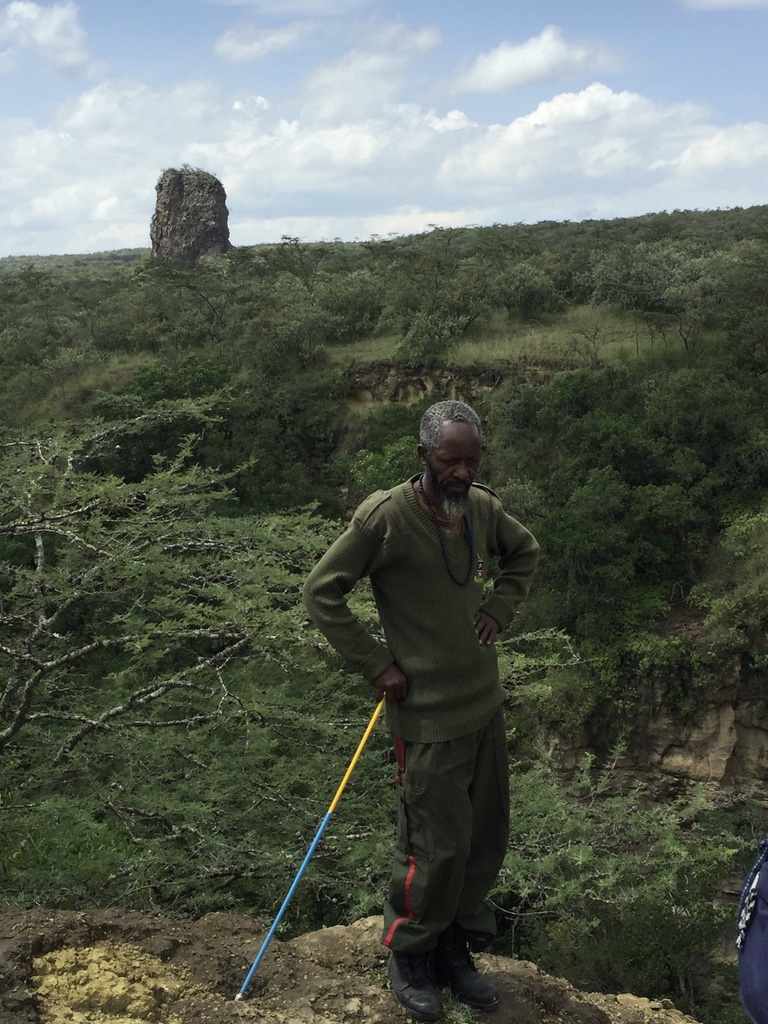
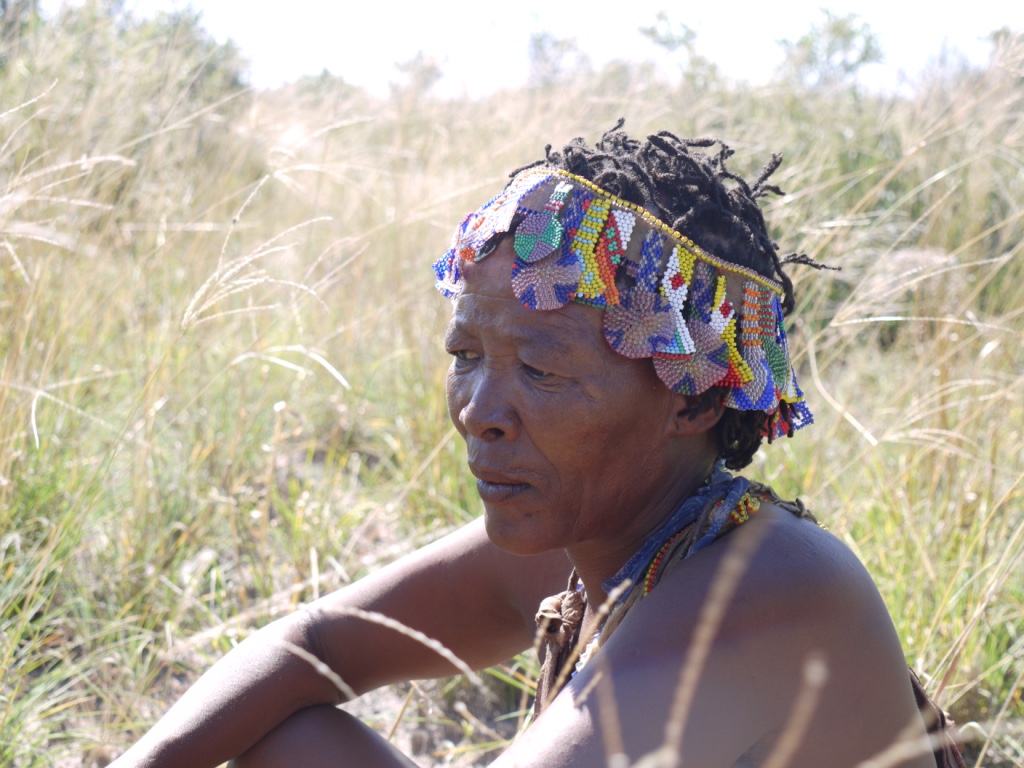
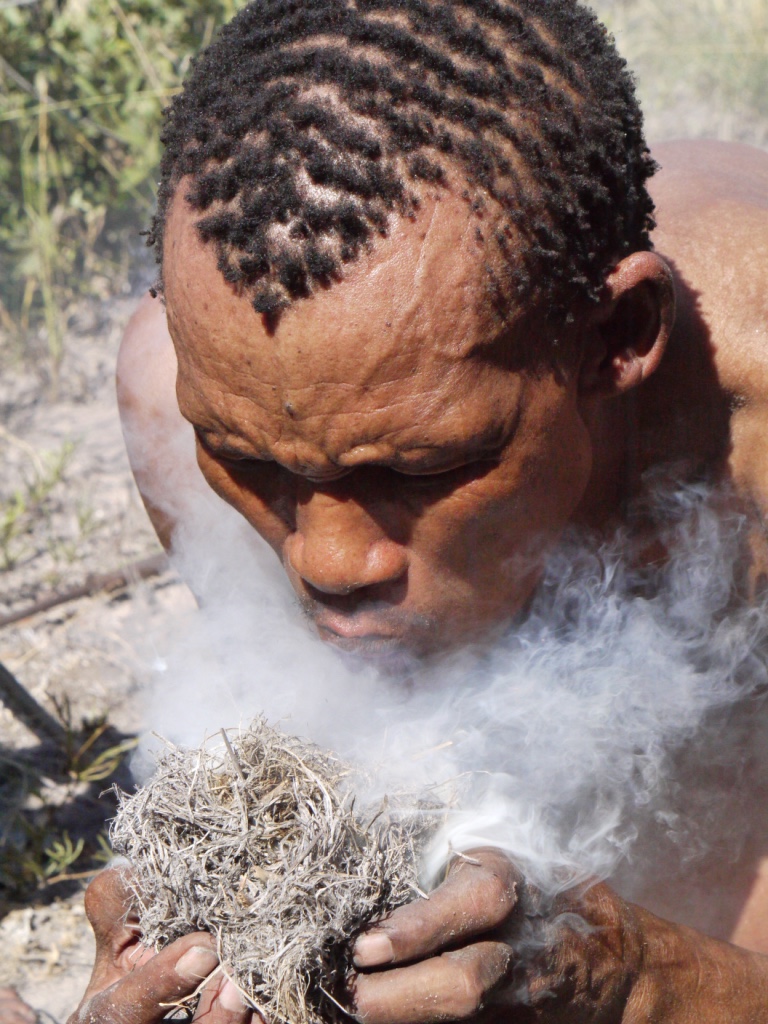
The Hai//om, Namibia’s largest landless San group, were forcibly evicted from Etosha in the 1950s under South African administration to create the national park, depriving them of hunting, foraging, and cultural practices. In 2019, several of the victimes decided to take legal action, claiming ongoing violations of constitutional rights (property under Art 16, culture under Art 19) and international indigenous standards, seeking ownership, compensation, resource access, and co-management. Jan Tsumib and Others v. Government of the Republic of Namibia is a landmark High Court case (A 206/2015) brought by Hai//om San elders, including Jan Tsumib, seeking recognition of ancestral land rights in Etosha National Park and surrounding areas.
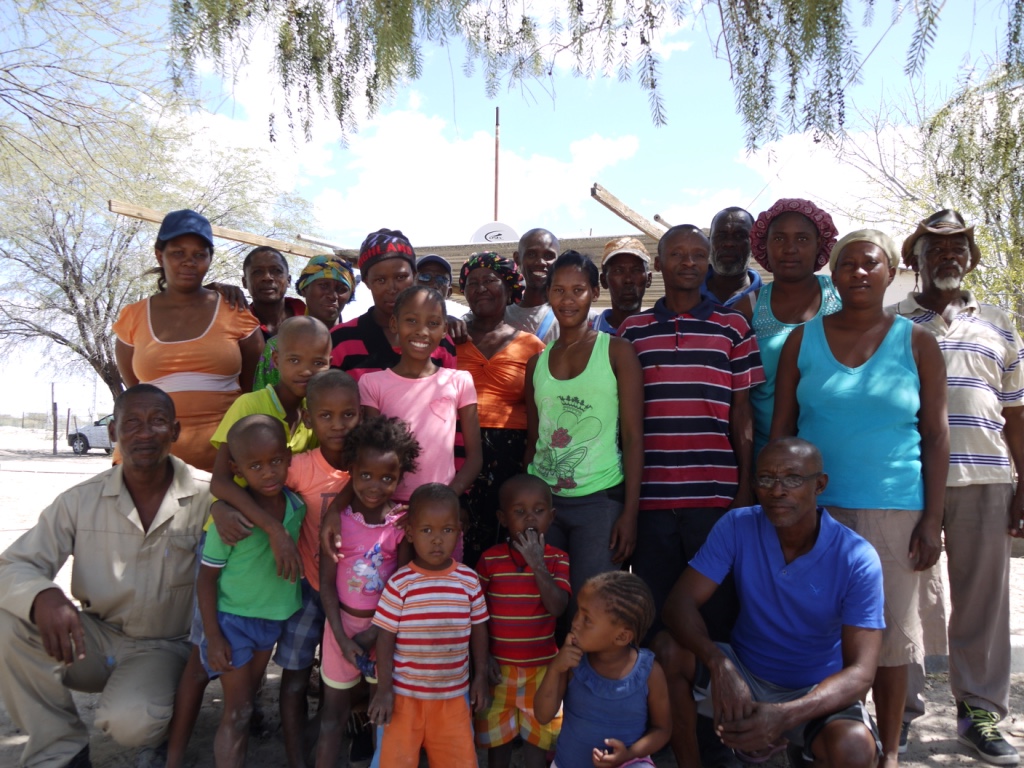
I acted in support to one of the main lawyers for the San community, Willem Odendaal, in providing legal argumentations and research on International and comparative law, conducting evidence gathering and witness testimonies. Ultimately, the applicants were denied standing, stalling substantive claims. This case highlights tensions between indigenous customary rights, conservation, tourism revenue, and state authority structures.
Case of the Kaliña and Lokono Peoples v. Suriname
The Kaliña and Lokono Peoples v. Suriname is a landmark Inter‑American Court case that established Suriname’s responsibility for failing to recognise indigenous collective legal personality and territorial rights. I acted as one of the expert witness proposed by the Inter‑American Commission, to testify in particular on restitution of indigenous lands, including where protected areas or conservation schemes overlap with traditional territories. My testimony emphasised how restitution and recognition of collective territorial rights can and should be reconciled with environmental conservation, and my expertise helped support the Court’s reasoning that Suriname must move from a model that excludes indigenous peoples from nature reserves toward one that recognises their continued presence, control, and participation as a condition of compliant conservation policy.
Here is the case.
Case concerning the U’wa Indigenous People and their members v. Colombia
In December 2024, the Inter‑American Court held Colombia internationally responsible for violating the U’wa people’s collective property rights by failing to fully title their territory and allowing oil, gas, mining, tourism, and infrastructure projects without proper consultation or benefit‑sharing. The Court found violations of a broad set of rights, including collective property, political participation, access to information, participation in cultural life, a healthy environment, freedom of expression and assembly, self‑determination of Indigenous and tribal peoples, children’s rights, judicial guarantees, and judicial protection. In support of the U’Wa rights represented by a legal team from Earth Rights International, I submitted an amicus curiae highlighting the fundamental rights of the Uw under International human rights law, and highlighting the connections of the U’Wa with their natural environment notably to invite the court establish connections with the right of nature.
My amicus curiae is available here:
Rights of the San peoples in Botswana
This relates to the case of Roy Sesana, Keiwa Setlhobogwa and Others v. Attorney General, a landmark Botswana High Court case (MISCA 52/2002, decided 2006, upheld on appeal) affirming the San (Basarwa/Gwi and Gana) peoples’ customary property rights to live, hunt, and access resources in the Central Kalahari Game Reserve (CKGR). In this case, I conducted some research for the main lawyer for the concerned community, Gordon Bennett, to provide argument on the International legal aspects of the case.
 Jérémie Gilbert